



































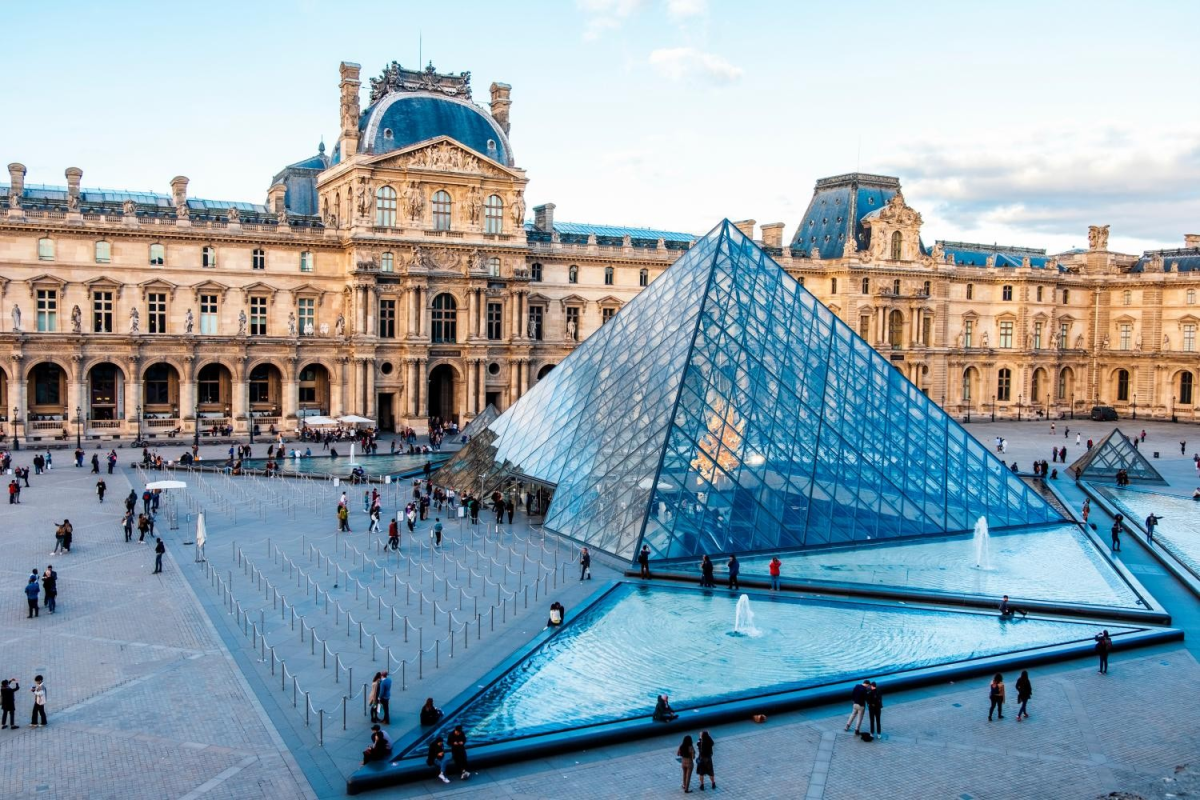
Museum heists are pretty common; reports suggest that between 50,000 and 100,000 artworks are stolen each year globally. That being said, it is no surprise that one of the museums recently targeted was the Louvre. The Louvre is an art museum in Paris, France, and the most visited museum in the world. It houses some of the most famous artworks in the world, such as the Mona Lisa. On October 19th a group of what is believed to be four people carried out this heist.
The overall heist took no longer than seven minutes to complete; the thieves entered at approximately 9:30am and left at around 9:38am. What they stole were eight pieces of 19th-century French Crown Jewels from the Louvre’s Apollo Gallery: a tiara and brooch belonging to Empress Eugénie, wife of Napoleon III; an emerald necklace and a pair of emerald earrings from Empress Marie Louise; a tiara, necklace, and single earring from the sapphire set that belonged to Queen Marie-Amelie and Queen Hortense; and a brooch known as the “reliquary brooch.” These pieces of jewelry have tremendous historical value and an immense monetary value, estimated at one hundred and two million dollars.
Overall, inadequate infrastructure was the root cause of the heist. The Louvre Museum’s infrastructure is outdated; it was used primarily as a royal residence before being transformed into a museum in 1793. These features allowed the thieves to have an easy entry to the museum; they entered by using a side facade and a ladder to access a balcony. Moreover, weak security, such as the lack of cameras, aided the thieves in completing a successful heist. While in total there are 550 cameras on the premises, there are only 25 on the entire perimeter and only five on the outer walls, making a robbery easier to pull off.
The heist for these priceless jewels came as a surprise, but it was so simple to pull off because of the outdated build. After the heist, the Louvre is implementing new security measures, such as technological upgrades, increased camera coverage, and anti-ramming barriers to prevent situations like this to occur in the future. Hopefully, the history of negligence will be corrected, and heists at the Louvre will no longer be a reality.