




























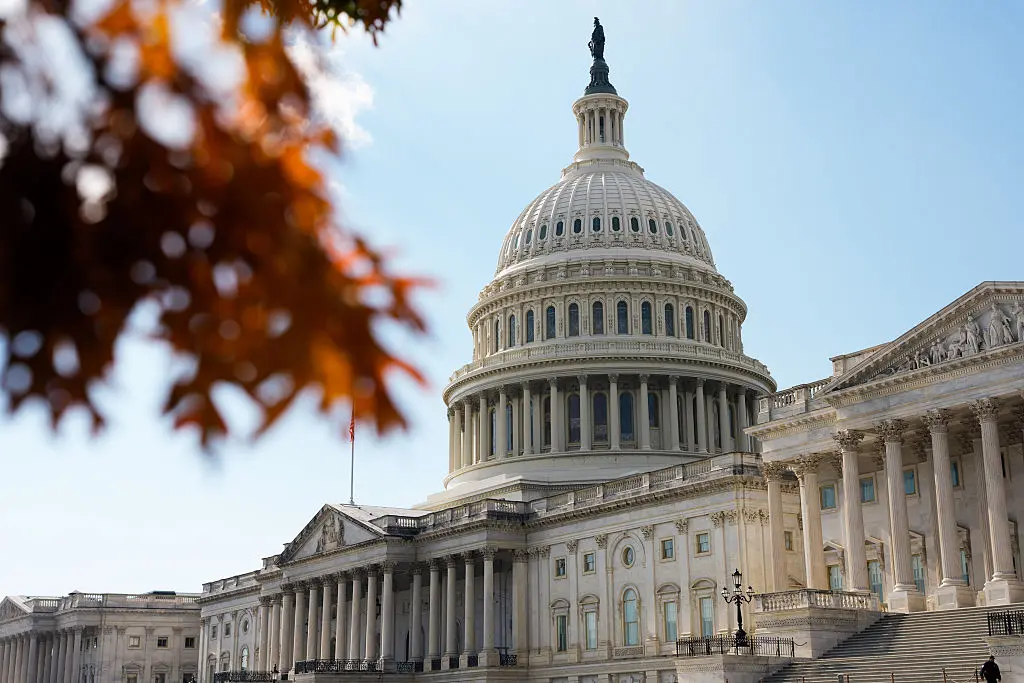














As of October 1st, 2025, the United States federal government is shut down, and has since become the longest recorded shutdown in history. Traditionally, a government shutdown occurs when authorized funding lapses and Congress fails to form a consensus regarding appropriations bills. This shutdown is attributed to a dispute across Congress over a prominent healthcare issue in appropriation lawmaking for the upcoming fiscal year.
Republicans currently control both Chambers of Congress, the Senate and the House of Representatives, but failed to pass their ideal spending budget for the new year after consistently falling short of the required sixty votes. To finance tax credits that would lower Americans’ health insurance premiums and curb the impact of Trump’s Medicaid cuts, Democrats in Congress sought to expand the bill. Medicaid is a government program in which the federal government provides more affordable health insurance to low-income individuals, including single-parent households, children, pregnant women, and people with disabilities. Republicans view the expansion of Medicaid and the concept of the Democrats’ spending bill as a breach of their taxes, as they fear their money would go towards funding healthcare for illegal immigrants in America.
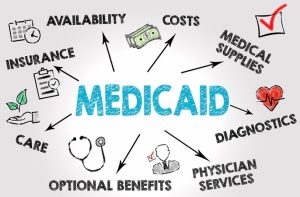
However, with the exception of emergency Medicaid– a federal law that funds hospitals for emergency care regardless of citizenship status– undocumented immigrants are ineligible to participate in federally funded programs like Medicaid. Some states have adopted programs to relieve the healthcare burdens for those who do not qualify for health insurance or are low-income, such as New York City Care. Moreover, the price of insulin for a thirty-day out-of-pocket supply was capped at thirty-five dollars as per California’s Senate Bill 40, making state-regulated healthcare more accessible.
Regardless of these factors, a dispute persists over whether the spending bill should be passed with an extension to align with Democratic principles. Since October 1st, there have been thirteen different voting opportunities to come to a budget for the 2026 fiscal year, and again and again, Republicans have fallen short by around ten votes to go forward with their financial plan. This past Tuesday, October 28th, the thirteenth vote was taken, and three Democrats shifted their position to vote in agreement with Republicans, including Pennsylvanian Senator John Fetterman. Nevertheless, the struggle persists, and federal agencies and workers are afflicted with the negative consequences of the shutdown.
As a result of the stalemate, dire resources are being reduced across government agencies, including the expulsion of “non-essential” federal workers and the elimination of day-to-day operations like healthcare inspections. Most recently, Supplemental Nutrition Assistance Program food stamps receivers– tens of millions of individuals who rely on this federally-funded program for food– have had their benefits revoked. This follows the U.S. Department of Agriculture’s contingency fund that came to a halt amid the government shutdown. After a federal judge ordered the government to provide needed funds for food stamps, the Trump administration has since announced that it would not reallocate money to reinstitute this program. Nevertheless, it remains unclear whether or not food stamp benefits will ultimately be restored to those who lost access to them under the previous funding cuts.
It is still uncertain how long it will take to come to a consensus regarding the budget. For now, millions of Americans will continue to feel the effects of the shutdown on their daily lives. The longer the stalemate occurs, the greater the strain will be on essential government workers and federal services, worsening conditions for communities that rely on these programs.