




































The Bureau of Land Management (BLM) is scheduled to hold an oil and gas lease sale in the Coastal Plain of the Arctic National Wildlife Refuge (ANWR) on June 5, 2026. Spanning 1.56 million acres across northeastern Alaska, this vast expanse of tundra lies at the heart of America’s most enduring environmental and energy debate—one shaped by four decades of clashing federal laws and deeply divided local communities.
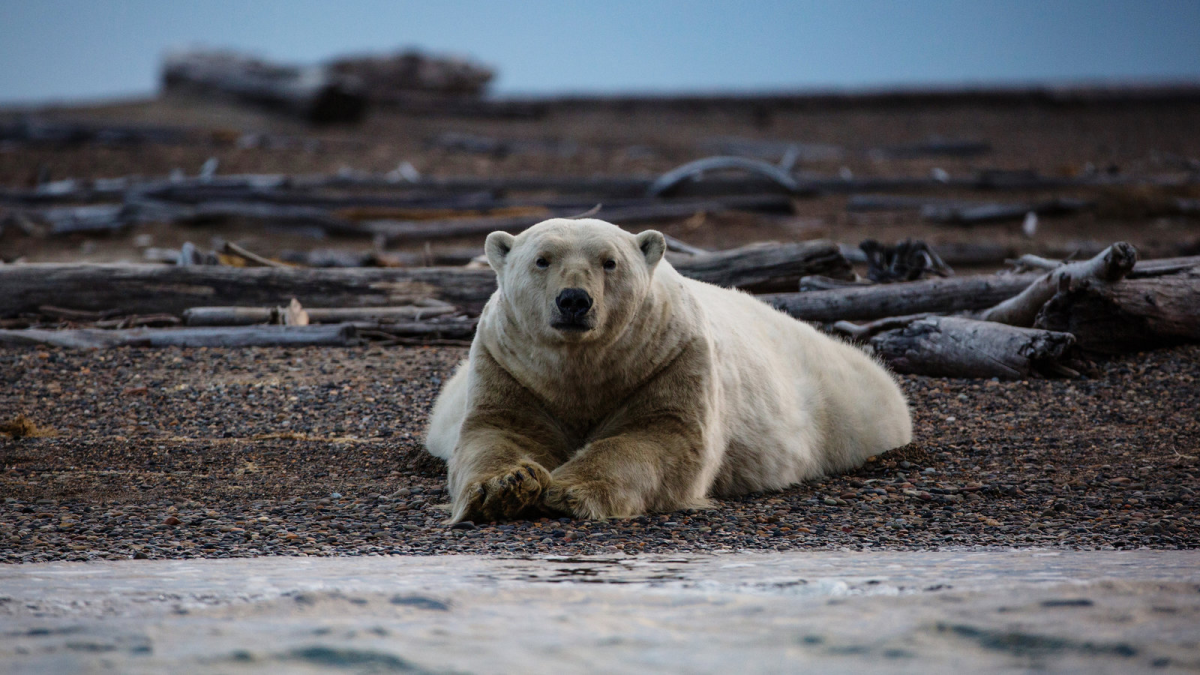
Often called “America’s Serengeti” after Tanzania’s legendary wildlife region, the ANWR is one of the most biodiverse areas in the Arctic. It is home to iconic species such as the Porcupine caribou, all three North American bear species, and more than 200 species of migratory birds originating from six continents. This biological haven plays a critical role as a summer breeding ground for both caribou and birds, and provides essential snow-denning sites for female polar bears.
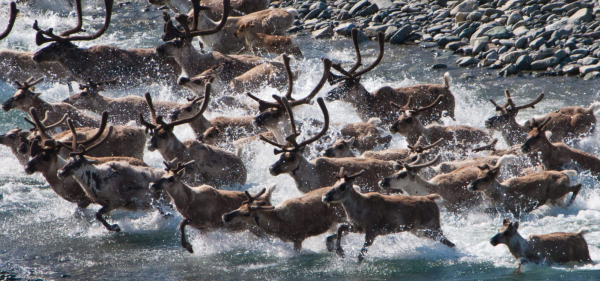
Furthermore, the land also holds deep Indigenous heritage. The Gwich’in people consider the area sacred, calling it “the Sacred Place Where Life Begins,” a reflection of their profound cultural and physical reliance on the caribou for sustenance and tradition. Adding to its wild character, the region contains no roads, trails, or facilities—any visitors must rely entirely on the elements.
Despite most of the ANWR being protected as federal wilderness, the Coastal Plain has remained vulnerable to leasing due to a winding legislative timeline. The Alaska National Interest Lands Conservation Act (ANILCA) of 1980 first established the refuge but deferred a decision on the Coastal Plain through Section 1002, requiring studies while prohibiting development without Congress’s approval. For nearly four decades, that deferral held strong—until the Tax Cuts and Jobs Act of December 2017 overrode ANILCA’s protections to mandate a leasing program. That law led to a first lease sale in January 2021, though those leases were later canceled. A second sale in January 2025 drew no bids. Most recently, the One Big Beautiful Bill Act of July 2025 now compels four additional lease sales over seven years, with this June’s auction being the first mandated under that new law.
The contesting forces behind this exploration could not be starker. At the federal level, a strict divide sees Republican administrations championing drilling for energy independence, while Democratic administrations typically oppose it on environmental ground, creating a cycle of policy whiplash. Among Indigenous communities, a unique split has emerged: the Gwich’in oppose drilling because the Coastal Plain serves as the calving grounds for the Porcupine caribou herd central to their subsistence way of life, while the Iñupiat people largely support it, crediting oil revenue for the funding of modern infrastructure, jobs, and services. Simultaneously, environmental organizations continue to challenge lease sales through lawsuits under the Endangered Species Act and the National Environmental Policy Act. The oil industry has also shown surprising caution—major banks and companies have hesitated to invest due to uncertainty in environmental, social, and governmental concerns, though recent legislation providing tax incentives may shift their opinions.
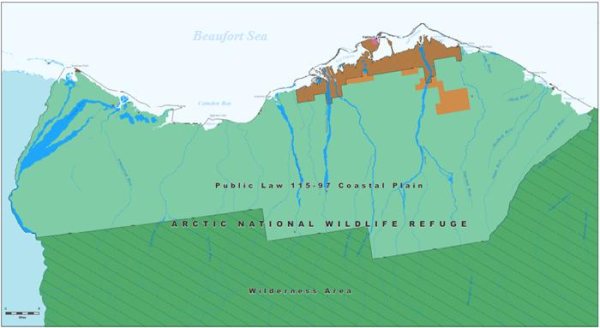
If lease sales do happen, exploration and drilling in the ANWR’s coastal plain would significantly devastate a fragile ecosystem. Industrial alteration would physically fragment the tundra, destroying crucial habitat grounds for all of its wildlife; in the worst case scenario, an oil spill would be nearly impossible to clean up, poisoning the landscape for decades. Any ecological harm would long outlast any short-term energy gain.
With an estimated 4.25 to 11.8 billion barrels of recoverable oil beneath the pristine tundra, the Coastal Plains are sure to appear attractive to energy companies. However, a myriad of internal downsides may not make this deal as favorable as it appears on paper. As the June 5th sale approaches, the question remains whether any bidders will show up—and whether “America’s Serengeti” will be transformed by extraction or preserved by the very uncertainty that has haunted this land for nearly half a century.