














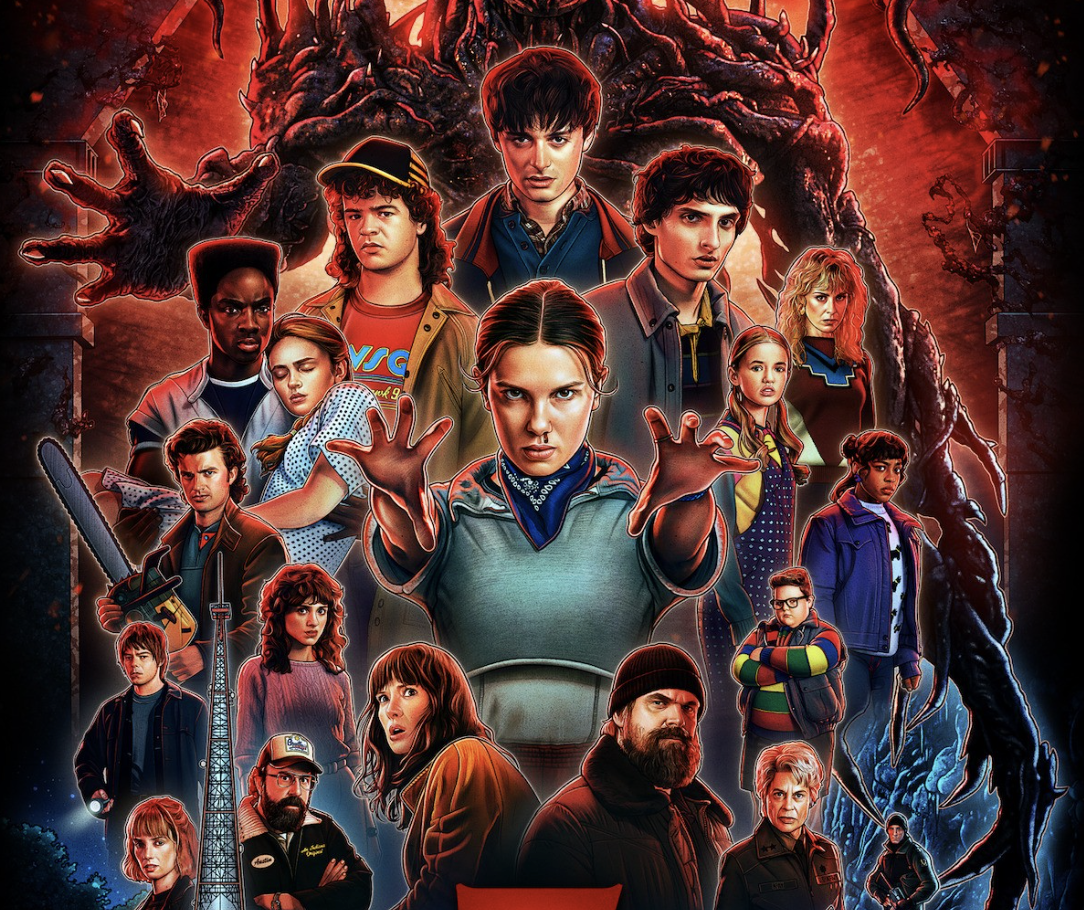
Since its initial release in 2016, Stranger Things has become one of the highest-grossing shows of all time, accumulating over a billion dollars in revenue for Netflix and captivating millions of viewers worldwide. Accordingly, Stranger Things quickly emerged as a fresh new supernatural thriller that bridged the gap between nostalgic coming-of-age storylines and horror elements tailored to mature audiences. Naturally, viewers eagerly awaited the conclusion to this heartfelt and emotionally gripping show.
From the outset, many viewers were hesitant to engage with the new season, primarily due to concerns about the show’s pacing. When Netflix announced the release strategy for the final season, it revealed that the episodes would be distributed across three separate intervals: Volume 1 on the night preceding Thanksgiving, Volume 2 on Christmas Day, and the series finale on New Year’s Eve. This staggered release model immediately drew criticism, as many viewers argued that it created too much time for audiences to forget key plot points or lose focus on the show during extended breaksbetween episodes. Despite this backlash, the first volume of Stranger Things Season 5 achieved remarkable success. Its release was so highly anticipated that it temporarily crashed Netflix’s servers on launch day, sparking widespread discussion among supporters, critics, and longtime fans alike. The final episode of the volume, “Sorcerer,” shattered records by becoming the highest-rated non-finale episode in the show’s history, earning a perfect 100% score on Rotten Tomatoes and heightening elation for the series’ conclusion.
However, this initial enthusiasm was short-lived. The release of Volume 2 was met with intense condemnation, with viewers ripping it to the bone for “sloppy writing,” “uneven pacing,” and an overreliance on exposition that lacked a meaningful climax.
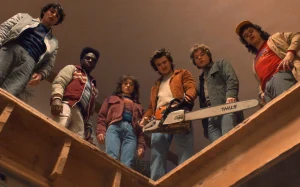 As a result, many fans were left disappointed and emotionally disengaged, diminishing excitement for the show’s finale after nearly a decade-long buildup. Despite the criticism, the viewers’ anticipation for the series finale remained immense. The internet was flooded with wild fan theories about the show’s ending, coupled with odds for major characters’ deaths. To capitalize on the buzz, Netflix released the final episode in theaters. Over 1.1 million tickets were sold, and theaters generated an estimated twenty-five million in gross revenue. After a decade, the show’s long-awaited finale aired to millions attending sold-out screenings, making it Netflix’s most-watched New Year’s Day show ever. The finale wrapped up the storyline in a straightforward, relatively safe way. Though many were relieved that their favorite characters survived and appreciated a satisfying bittersweet conclusion that bid farewell to childhood, some viewers were left wanting more and even refused to accept the ending as the true finale. Speculations persisted online about a secret episode nine, coining the “Conformity Gate” theory, despite the creators confirming there were no unseen scenes from an additional episode.
As anticipated, the finale was met with substantial supplementary criticism. Fans were quick to point out that the final victory battle was too easily won, reducing tension buildup and lessening the emotional weight of the fight. For comparison, the main villain’s death scene runtime was shorter than one of the main character’s coming-out scenes. Others were combing through the whole show, pointing out plot holes and inconsistencies, such as the color changes between episodes. Some wanted definite answers and no room for interpretation. There were also those wishing for a darker ending and those lost in delusion about the characters’ romantic fate, fueled by social media algorithms.
As a viewer who grew up with Stranger Things, I also wish the final season had embraced something more avant-garde, rather than diluting its narrative with redundant exposition. And yes, the online fan theories were extremely entertaining and may have even functioned as a far more rewarding ending. However, this shortcoming feels less like a creative flop and a miscalculated decision by the producers, creators, and Netflix alike. By tailoring the story to a younger and distracted audience, they singlehandedly shattered the authenticity and intricate storytelling that defined seasons one through four. Nevertheless, what ultimately marks a great show? Are we not still talking about it? Speculating with friends about Eleven’s fate or who Mike belongs with? Going down rabbit holes in the late hours of the night and wanting more? In my mind, this finale does not feel like an ending at all, but rather the end of the beginning; these characters and their monsters, whether inwardly or externally, will live in our memory forever.